
Home Remodeling Guide: What to Know Before Remodeling Your House
- nxtlvlbuilds
- Jan 22
- 2 min read
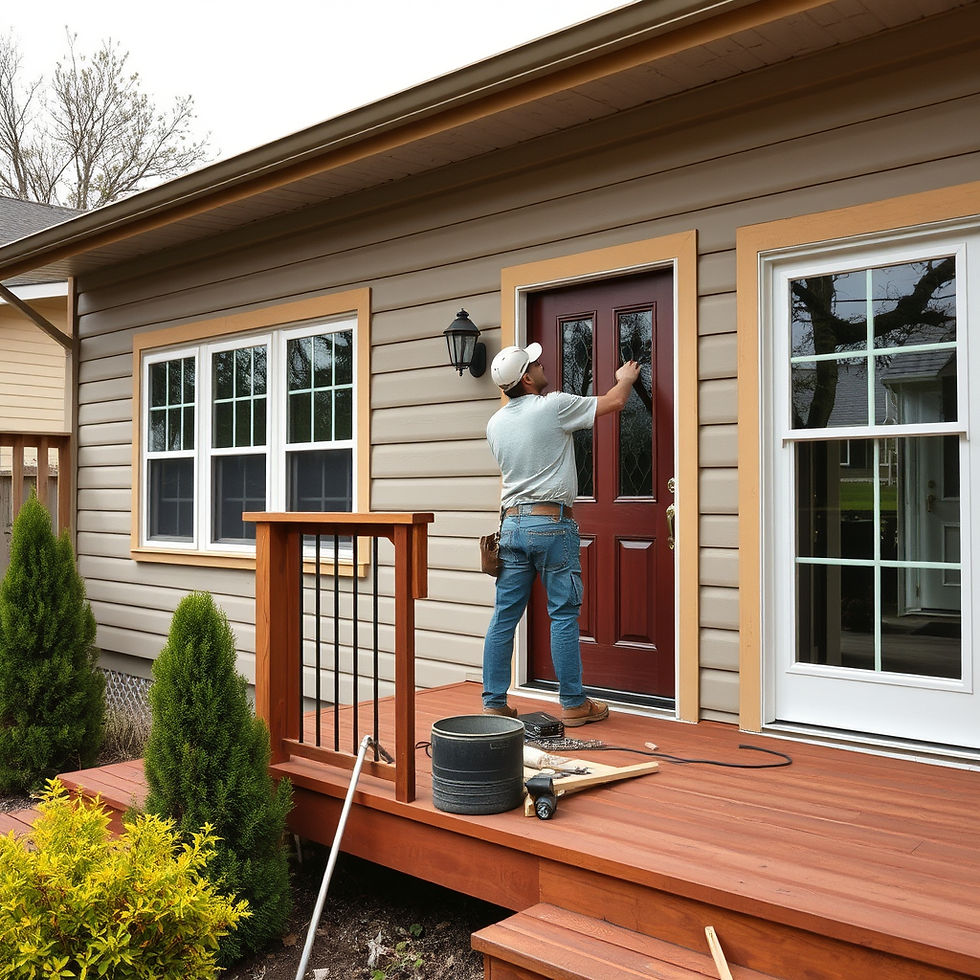
Home remodeling is one of the most effective ways to improve your home’s comfort, functionality, and overall value. Whether you’re planning a kitchen remodel, bathroom renovation, home addition, or a whole-house remodel, understanding the remodeling process can help you avoid costly mistakes and ensure a successful project.
This guide covers what homeowners should know before starting a house remodeling project and why working with a professional remodeling contractor makes all the difference.
Planning Your Home Remodeling Project
Every successful home remodel starts with clear planning. Before construction begins, homeowners should define their goals. Are you remodeling to improve daily living, modernize an outdated home, increase energy efficiency, or boost resale value?
Clear planning helps guide design decisions, material selections, and construction timelines, keeping your remodeling project on track from start to finish.
Setting a Realistic Remodeling Budget
Budgeting is one of the most important parts of any remodeling project. A realistic remodeling budget should include labor, materials, permits, inspections, and a contingency for unexpected repairs.
Older homes often hide issues behind walls, floors, or ceilings. Working with an experienced home remodeling contractor helps homeowners plan for these surprises while staying within budget.
Hiring the Right Remodeling Contractor
Choosing the right contractor is critical to the success of your remodel. A professional remodeling contractor should be licensed, insured, and experienced in residential construction and renovations.
Strong communication is just as important as quality craftsmanship. A reliable contractor will provide clear timelines, explain the construction process, and keep homeowners informed throughout every phase of the remodel.
Design and Functionality Matter
Great remodeling design is about more than appearance. Proper layouts, smart storage solutions, and efficient use of space improve functionality and long-term comfort.
A well-designed remodel enhances the flow of your home while ensuring the space works for your lifestyle now and in the future.
Permits, Codes, and Inspections
Most home remodeling projects require permits and must meet local building codes. These regulations are in place to ensure safety, structural integrity, and proper installation.
A professional remodeling company understands local codes and permitting requirements, helping homeowners avoid delays, fines, or issues when selling their home.
Preparing for the Remodeling Process
Living through a home remodel can be disruptive, but planning ahead helps minimize stress. Homeowners should prepare for noise, dust, and temporary changes to daily routines.
Clear communication with your contractor ensures expectations are aligned and the construction schedule stays on track.
Choosing Quality Materials
High-quality materials play a major role in the durability and performance of your remodel. Investing in quality products improves longevity, reduces maintenance, and adds long-term value to your home.
An experienced contractor can help homeowners choose materials that balance performance, appearance, and budget.
Remodeling for Long-Term Value
While design trends come and go, smart remodeling choices stand the test of time. Projects that improve functionality, energy efficiency, and structural integrity typically provide the highest return on investment.
Well-executed home renovations not only enhance daily living but also increase property value.
Final Thoughts on Home Remodeling
Home remodeling is a major investment, but when done correctly, it delivers lasting benefits. With proper planning, quality materials, and a trusted remodeling contractor, homeowners can transform their space into a home that’s functional, beautiful, and built to last.


Comments